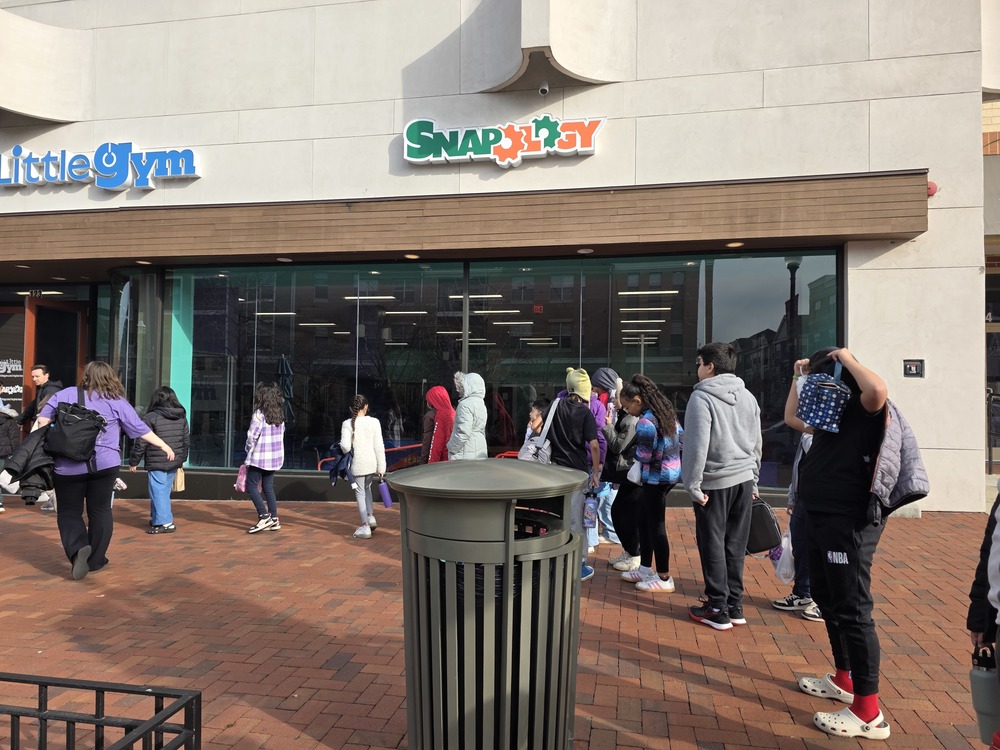
Students in Mrs. Adkisson’s Fusion class recently took their learning beyond the classroom walls, applying their knowledge and leadership skills during an enriching field trip to Snapology in Leesburg. The visit challenged students to engage in hands-on STEAM (Science, Technology, Engineering, Art, and Math) activities, perfectly aligning with the Loudoun County Public Schools (LCPS) framework of the 5Cs.
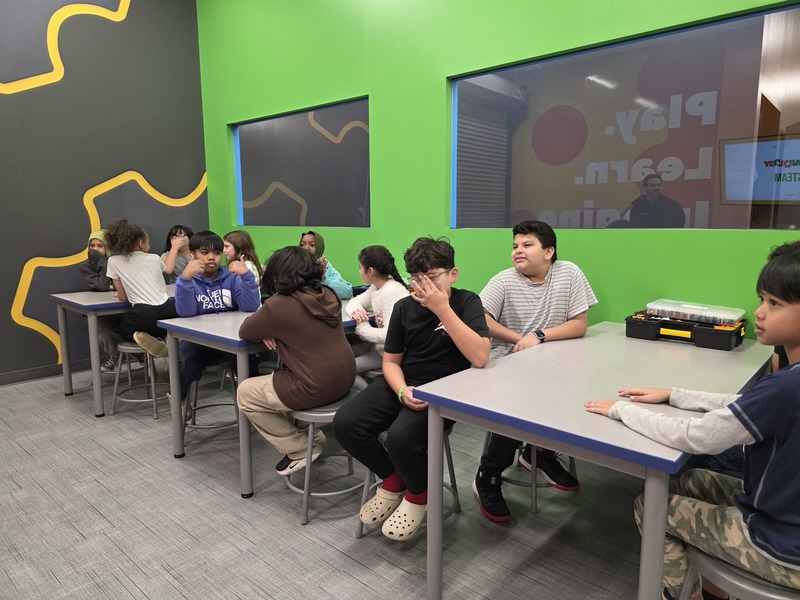
💡 Snapology: Building Confidence Through Play
The trip to Snapology, a center dedicated to interactive learning, directly supported their core mission: “Building Confidence Through Hands-on Learning.” Snapology promotes the idea that children learn best through play, using familiar tools like LEGO® bricks to teach complex concepts and inspire the next generation of innovators.
The LCPS 5Cs in Action
Throughout their time at Snapology, the Fusion students actively demonstrated the skills outlined in the LCPS Profile of a Graduate, known as the 5Cs: Collaborator, Communicator, Contributor, Creator, and Critical Thinker.
Collaborator: Working in teams was essential for both activities, requiring students to share resources, negotiate ideas, and manage team dynamics.
Creator & Critical Thinker: Students moved from abstract planning to tangible creation, designing solutions and testing them in real-time.
Communicator: The activities culminated in presentations and explanations, forcing students to clearly articulate their design choices and to their peers and instructors.
🏗️ Design-Build Challenge: Creating the Perfect City
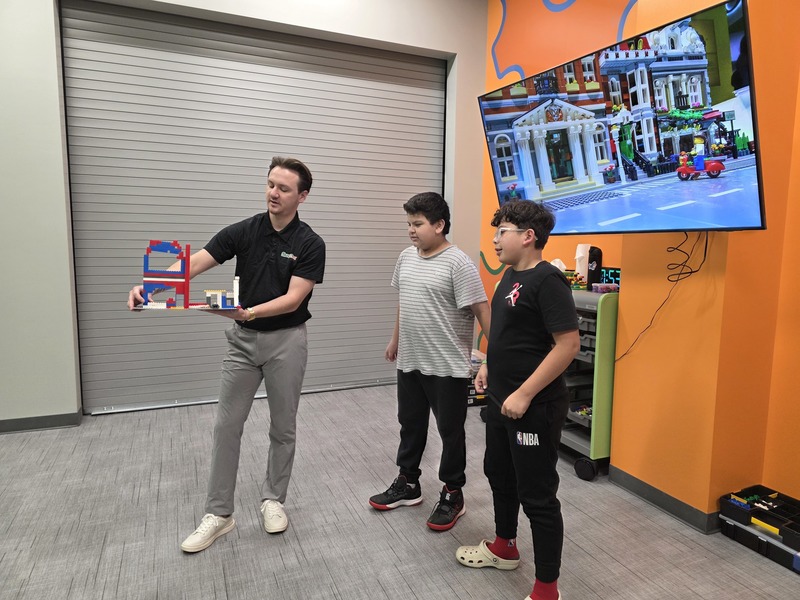
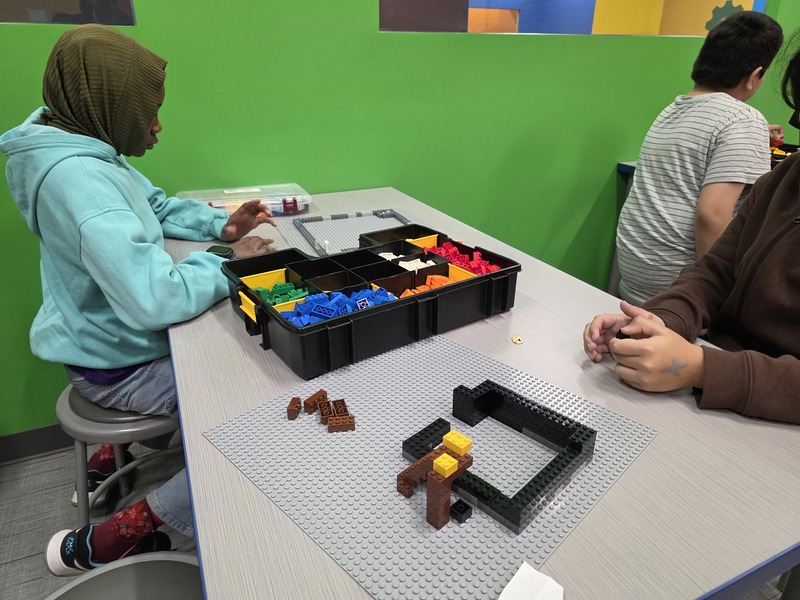
The first major task put the students’ leadership and creative skills to the test. Working with traditional LEGO bricks, the groups engaged in a dynamic design and build challenge to create an entire city. This exercise required students to:
Plan and Visualize: Teams had to agree on a city layout, considering essential structures like schools, parks, and transportation systems.
Contribute and Lead: Students leveraged leadership skills learned in class to organize their teams, delegate tasks based on individual strengths, and, ensuring every member contributed positively to the final product.
Present their Vision: Each group then presented their completed city, explaining their design choices, the functionality of their structures, and how their city reflected an ideal community.
🤖 Coding for Movement: The Robotic Arm Challenge
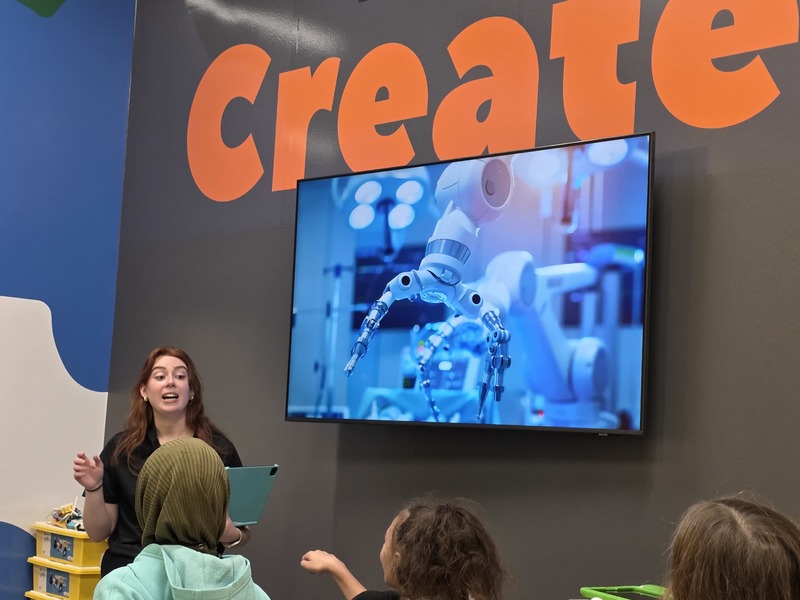
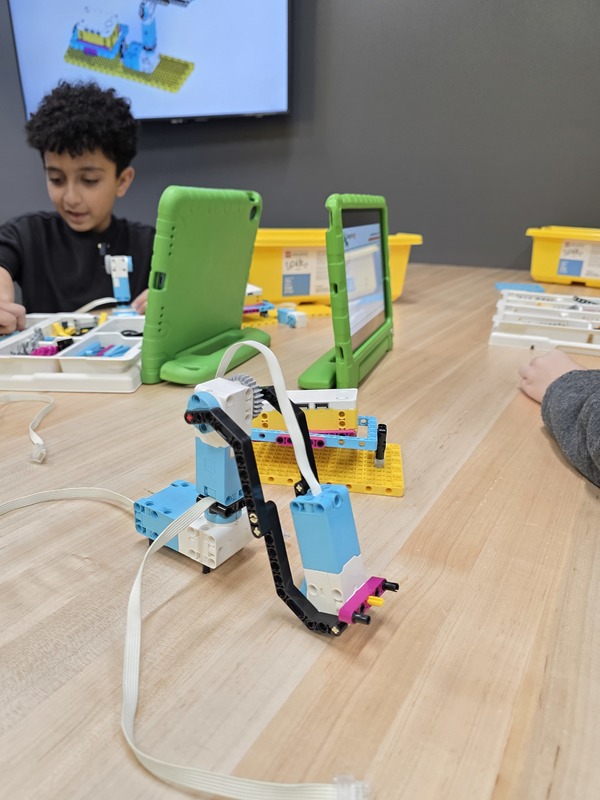
The second activity dove deep into robotics and computer science using LEGO Spike kits. Students were challenged to construct a robotic arm and then use block coding to program its movements. The goal was practical and engaging: successfully pick up a small object, like a cotton ball.
This task required students to employ critical thinking at every step:
Engineering: They had to follow a step by step design plan to form a stable arm capable of grasping.
Coding: They learned about sequencing and loops to control the motors so the robotic arm could open, lower, grip the cotton ball, and raise it back up.
This hands-on experience provided a memorable and fun way for the Fusion students to see the powerful connection between computer programming and physical engineering, solidifying their path to becoming the next generation of STEAM professionals.